Project specification analysis — does the specification comply with TCNA, ANSI, and NSI requirements? Were the requirements adequate for the application, and did the installation meet them as written?
Submittal and approved product review — what setting materials, waterproofing products, and tile were approved? Were what was submitted and what was installed consistent with each other and with the specification?
Change order and substitution documentation — were material substitutions properly evaluated and approved? Did scope modifications eliminate required installation elements — such as movement joints or waterproofing — without owner knowledge?
Bond strength testing with PosiTest AT-A — quantified adhesion data at failure locations and control areas, measured in psi, referenced against ANSI A108 minimum requirements and manufacturer published values
Thermal imaging of failure patterns — FLIR camera documentation of delamination extent, hollow areas, moisture intrusion patterns, and bonding anomalies across the full installation scope
Mortar and material laboratory analysis — certified laboratory testing of mortar samples for composition, sand ratio, and Portland content; adhesive residue testing to confirm product identity; stone specimen analysis where applicable
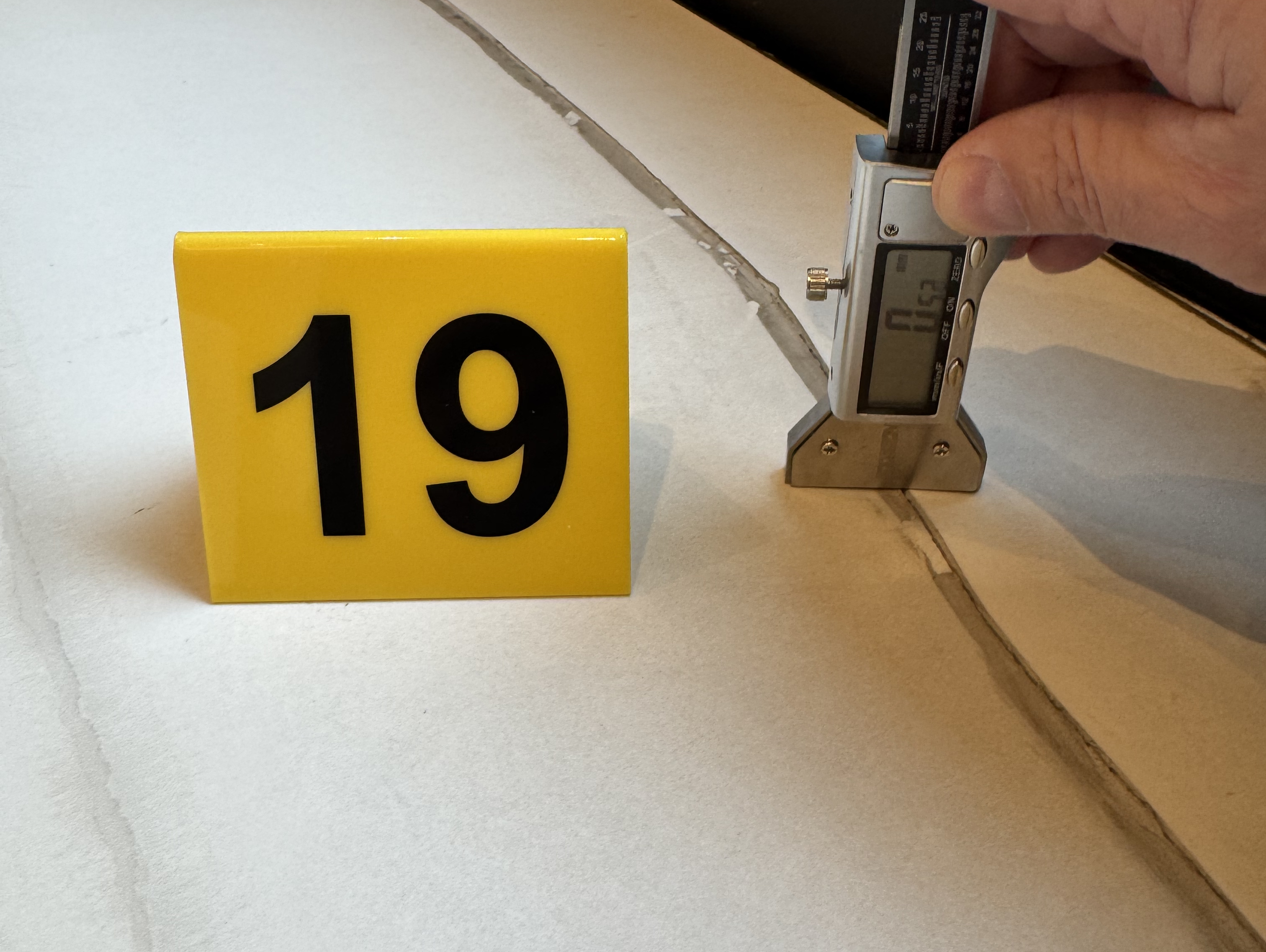
Movement joint presence, placement, and sizing — are field joints and perimeter joints present, correctly located at intervals required by TCNA EJ171, and properly filled with compressible sealant rather than rigid grout?
Waterproofing membrane condition and continuity — is the membrane intact, continuously bonded, and properly detailed at drains, penetrations, and changes of plane? Were flood test results documented?
Causation opinion and responsible party analysis — which deficiency caused the failure, in what sequence, and which party in the construction chain — installer, GC, designer, manufacturer — bears responsibility for each identified deficiency?
Remediation scope documentation — technically grounded scope narrative for the corrective work required, structured to give estimators and contractors measurable, enforceable remediation requirements
Opposing expert rebuttal analysis — review of opposing expert methodology, standards citations, and opinion conclusions for technical accuracy; preparation of written rebuttal addressing each area of disagreement with factual and standards basis
Non-testifying consulting review — for attorneys who need a technical sounding board for trial preparation without retaining a testifying expert, available for confidential consulting review of documents, reports, and deposition transcripts
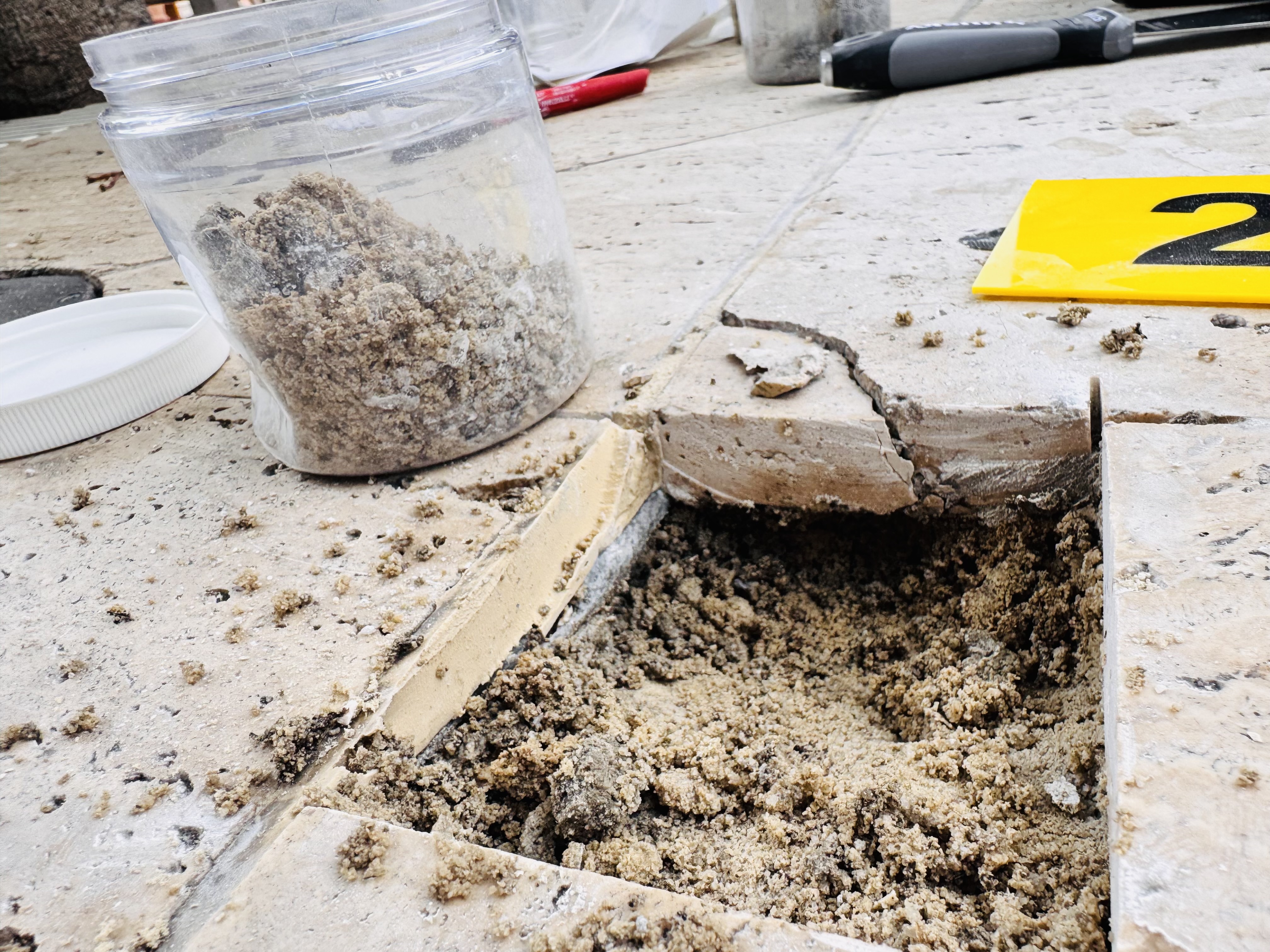 Pool Deck